Participate in our research, sign up today
TM
We are currently conducting ethically approved clinical studies to further validate and improve our non-invasive glucose monitoring technology.
We are currently conducting ethically approved clinical studies to further validate and improve our non-invasive glucose monitoring technology. Lorem ipsum dolor sit amet, consectetur adipiscing elit. Suspendisse varius enim in eros elementum tristique. Duis cursus, mi quis viverra ornare, eros dolor interdum nulla, ut commodo diam libero vitae erat.
RSP43 Research Study
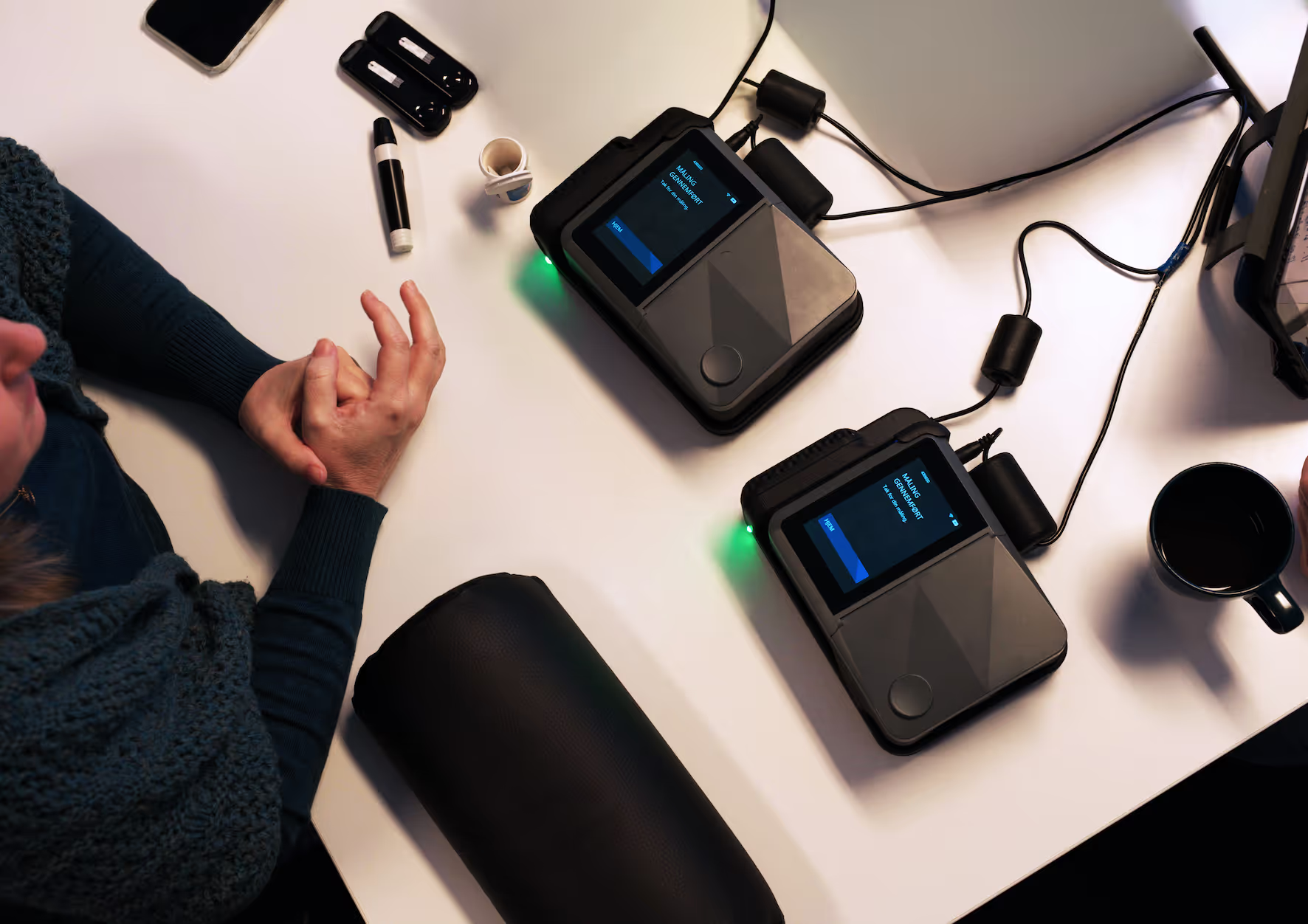
This study is an in-house, exploratory health science research project investigating whether non-invasive optical measurements of the skin can be linked to blood glucose levels.
The primary objective of the study is to collect blood glucose data and spectral data from adults with and without diabetes to explore potential correlations between glucose values and skin spectra. The collected data will be used to establish a scientific knowledge base and support the development of algorithms that may, in the future, contribute to non-invasive glucose monitoring technologies. At this stage, the study is hypothesis-generating and focused solely on data collection; no diagnostic or therapeutic outcomes are provided to participants.
The study will include up to 200 adult participants, of whom approximately 70% have diagnosed diabetes and 30% do not.
About the study:
- All participants are aged 18 years or older.
- The study is non-randomized and does not involve any medical intervention, changes to medication, or treatment.
- Participation begins with a screening call, conducted remotely and scheduled according to the participant’s availability.
- Eligible participants may then take part in one or more on-site measurement sessions, each lasting up to 8 hours.
- During these sessions, blood glucose levels are measured using standard finger-prick glucose meters (BGMs) and/or continuous glucose monitors (CGMs), while spectral data are collected using a safety-compliant optical camera based on Raman spectroscopy.
- Participants who choose to use a CGM may be invited to attend an additional short visit for sensor insertion prior to a measurement session.
All study activities are conducted at RSP’s headquarters in Odense, Denmark. Participants continue their usual medical treatment throughout the study, with no changes required.
RSP44 Research Study
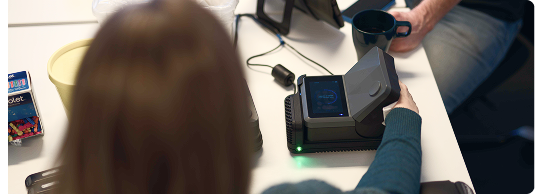
This study is an explorative, non-randomized health science research project designed to investigate whether there is a relationship between blood glucose levels and light-based measurements taken from the skin.
The primary objective of the study is to collect blood glucose data and spectral images from adults with and without diabetes in order to build a scientific knowledge base that may support the future development of non-invasive glucose monitoring technologies.
At this stage, the study focuses solely on data collection and algorithm development:
- no diagnostic results are provided to participants.
- The study involves up to 500 adult participants (approximately 100 individuals with diagnosed diabetes and 400 without).
- Depending on glucose metabolism status, participants may take part in one or more study phases, including baseline training and offsite data collection.
- Blood glucose levels are measured using standard finger-prick glucose meters and/or continuous glucose monitors (CGMs), while spectral data are collected using a specialized, safety-compliant optical camera that captures reflected light from the hand or wrist.
The study begins on 20 January 2026 and will run for up to three years. The study will primarily take place in participants home setting.
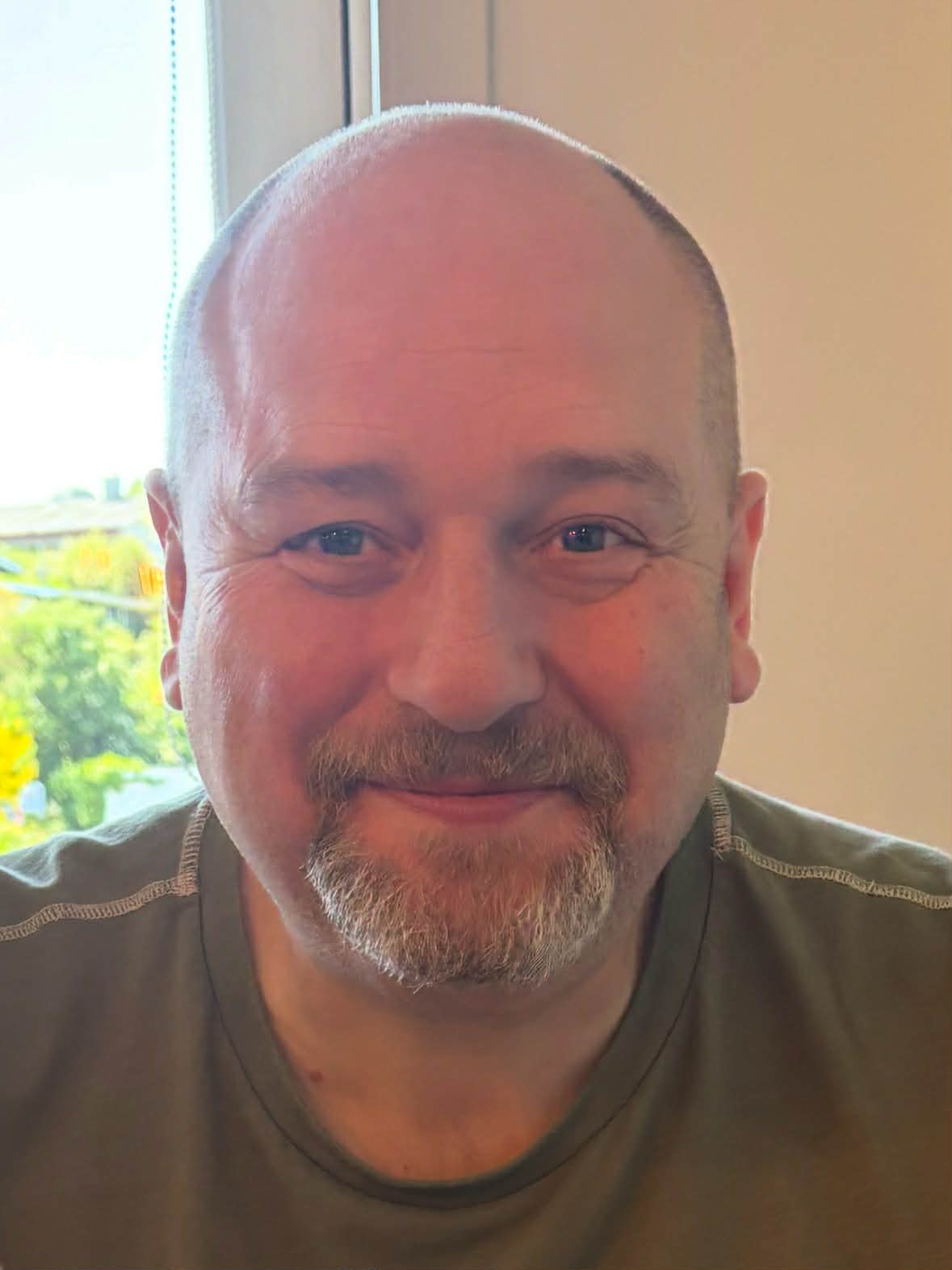
I am a 54-year-old man, diagnosed with type 2 diabetes in 2016. When I received the diagnosis, I immediately had flashbacks to my youth and childhood, growing up with a father who had type 1 diabetes. I remembered some of the struggles he went through with monitoring his blood glucose and all the finger pricks that came with it. I also remember the times when he was too ill to do it himself, and either my mother or I had to prick his fingers and measure his blood sugar. At the same time, having two daughters who are afraid of needles and finger pricks, there was no doubt in my mind that I would sign up for the RSP testing when I came across a call for participants in a Facebook group. I was later accepted as a test participant. Being part of the RSP development program means a lot to me, because it has the potential to help many people in the future avoid needles and finger pricks. Having seen firsthand what this means for people living with diabetes, it feels meaningful to contribute in a small way to something that could make everyday life easier for others. From day one, my experience with the RSP team has been very positive. They are dedicated, respectful, and positive people with a strong desire to make a real difference. They truly believe that everyone involved plays an equal and important role in the project. From day one, I have felt welcomed and valued as an equal part of a shared mission. For me, being part of this project is not only about technology or research. It is about helping move things forward for people living with diabetes — today and in the future. If my participation can help bring us one step closer to a simpler and less painful way of managing diabetes, then being part of this journey is truly meaningful to me.
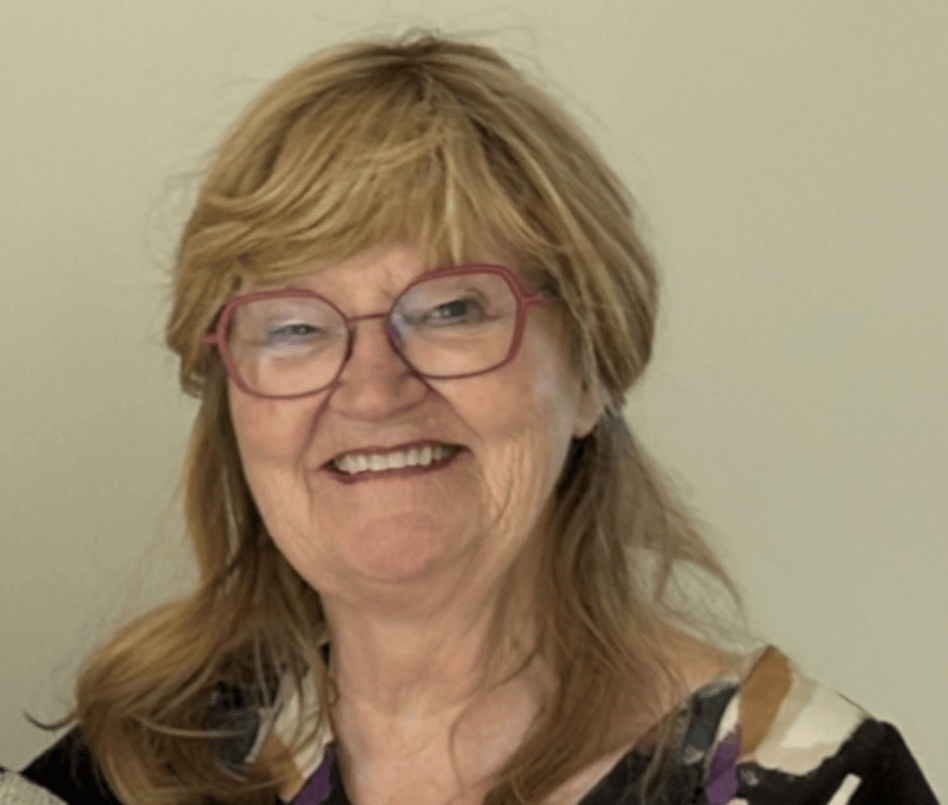
In 2022, I was diagnosed with melanoma, and as a side effect of immunotherapy treatment, I unfortunately developed type 1 diabetes. It was, to say the least, a huge upheaval in my life and daily routine to be faced with two such serious illnesses — and neither of them will go away again. Access to non-invasive technology for managing my diabetes would make a profound difference in my daily life. Being able to monitor my blood glucose without daily finger pricks or sensors would reduce both physical discomfort and the constant mental burden that comes with the condition. It would give me more freedom, less focus on pain, and more space to live a normal life — socially, professionally, and mentally. It would also provide greater peace of mind, allowing me to monitor my glucose levels more easily and discreetly. I chose to collaborate with RSP because their diabetes research is deeply relevant to me personally. For me, this is not only about what I may personally gain here and now, but about contributing to the collective knowledge that can benefit others with diabetes in the future. I have personally benefited from the research and progress that others have helped create in the past. Therefore, I see this as a natural and meaningful way of giving something back. My overall impression of the collaboration has been very positive. I have experienced a professional and respectful approach, seriousness, and clear communication throughout the process. This has given me a strong sense of reassurance the entire way.
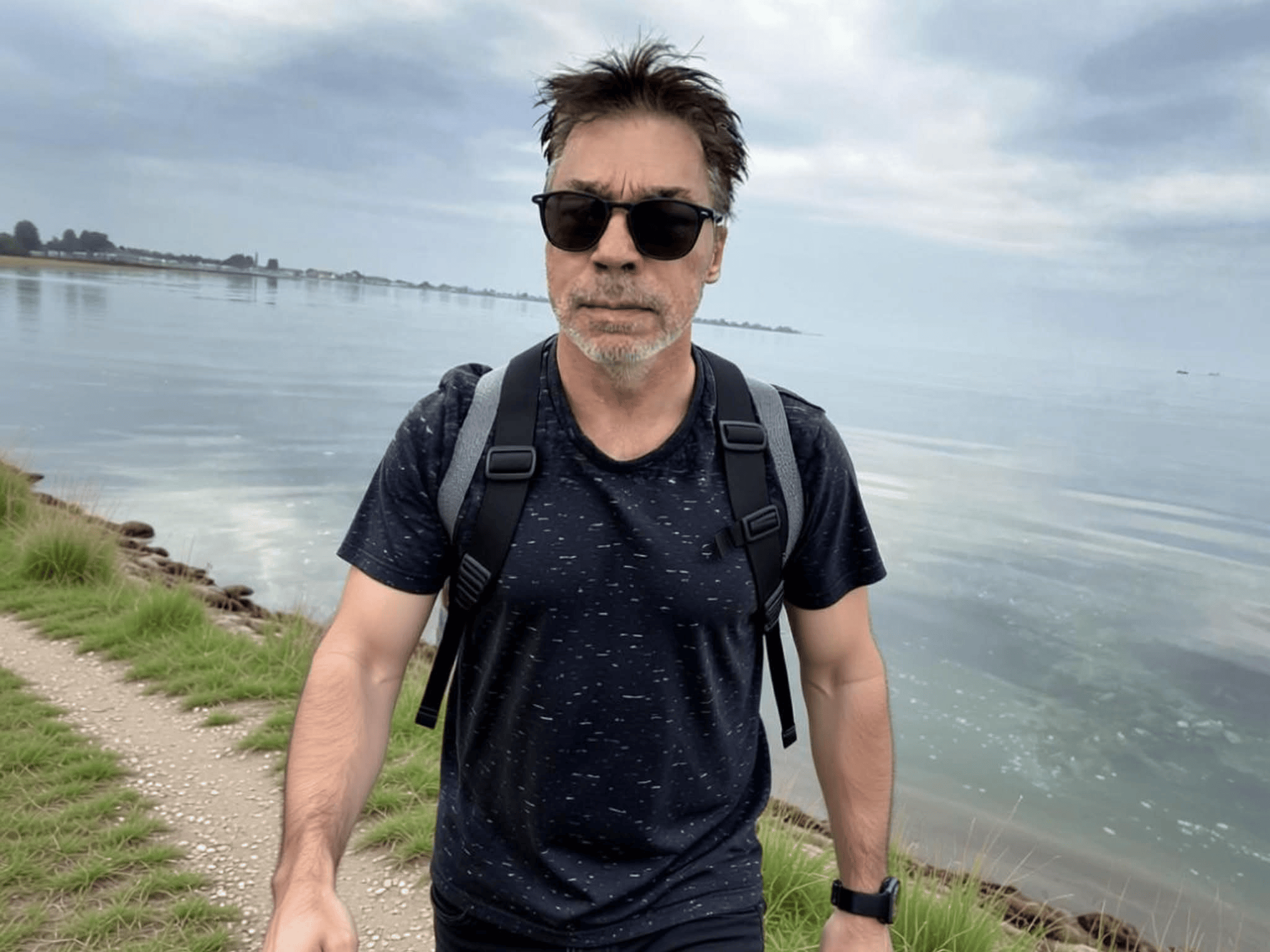
I am 65 years old and have been living with type 1 diabetes since 1981. Receiving that diagnosis was a life-changing moment. From one day to the next, blood glucose levels, insulin, meals, and uncertainty became a permanent part of my daily life. At that time, the possibilities for monitoring blood glucose were very limited, and every measurement required planning, finger pricks, and often a degree of doubt about the result. About some years ago, I learned about a Danish company, RSP, that had taken on the challenge of developing a way to measure blood glucose without needles — using laser technology. This immediately resonated with me on a very personal level. It was exactly the vision I had been hoping for since my diagnosis in 1981. Without hesitation, I contacted RSP through their physician, and after screening, I was very pleased to be accepted as a test participant in their development program. Participating in RSP’s work has been deeply meaningful to me. Not only because it relates to my own diabetes, but because I truly believe this technology has the potential to make a life-changing difference for many people — both those living with diabetes and their loved ones. Throughout the years, I have experienced a strong, respectful, and positive collaboration with the dedicated people at RSP, who work tirelessly every day to turn this vision into reality, as well as the outstanding care from the canteen staff, who ensured food, drinks, and even provisions for the journey home. This has meant a great deal to me. Their commitment and passion are inspiring, and I am proud to contribute as a test person to this important and pioneering development.
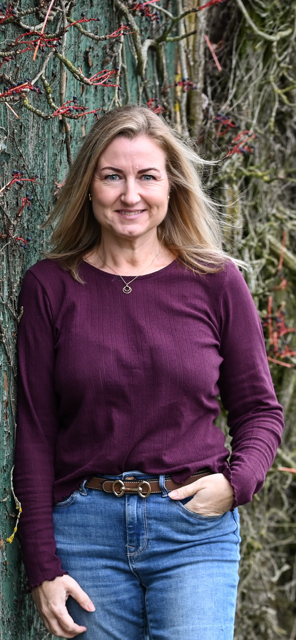
Living with type 1 diabetes has been part of my life for more than 20 years. Managing the condition requires constant attention and regular blood glucose measurements throughout the day. Over time, technological advances have helped make daily life with diabetes easier, and I benefit from innovations that were only possible because others living with diabetes chose to participate in research before me. Because of this, I feel a strong motivation to give something back. When I came across a post on Facebook about a company working to develop a device that could measure blood glucose non-invasively, I immediately felt that this was something I wanted to support. Since then, I have taken part in many measurement sessions at RSP. Each time, I am welcomed by friendly and dedicated staff who make me feel that my contribution truly matters. It feels meaningful to know that the data I help provide may support the development of new technology that could make life easier for people living with diabetes in the future.
Testimonials
“I am a 54-year-old man, diagnosed with type 2 diabetes in 2016. When I received the diagnosis, I immediately had flashbacks to my youth and childhood, growing up with a father who had type 1 diabetes. I remembered some of the struggles he went through with monitoring his blood glucose and all the finger pricks that came with it. I also remember the times when he was too ill to do it himself, and either my mother or I had to prick his fingers and measure his blood sugar.
At the same time, having two daughters who are afraid of needles and finger pricks, there was no doubt in my mind that I would sign up for the RSP testing when I came across a call for participants in a Facebook group. I was later accepted as a test participant.
Being part of the RSP development program means a lot to me, because it has the potential to help many people in the future avoid needles and finger pricks. Having seen firsthand what this means for people living with diabetes, it feels meaningful to contribute in a small way to something that could make everyday life easier for others.
From day one, my experience with the RSP team has been very positive. They are dedicated, respectful, and positive people with a strong desire to make a real difference. They truly believe that everyone involved plays an equal and important role in the project.
From day one, I have felt welcomed and valued as an equal part of a shared mission.
For me, being part of this project is not only about technology or research. It is about helping move things forward for people living with diabetes — today and in the future. If my participation can help bring us one step closer to a simpler and less painful way of managing diabetes, then being part of this journey is truly meaningful to me.”
Becoming a test person gives you early access to innovative health technology while gaining valuable insights into your own body. At the same time, you help improve and shape solutions that make health data more understandable and accessible for everyone.
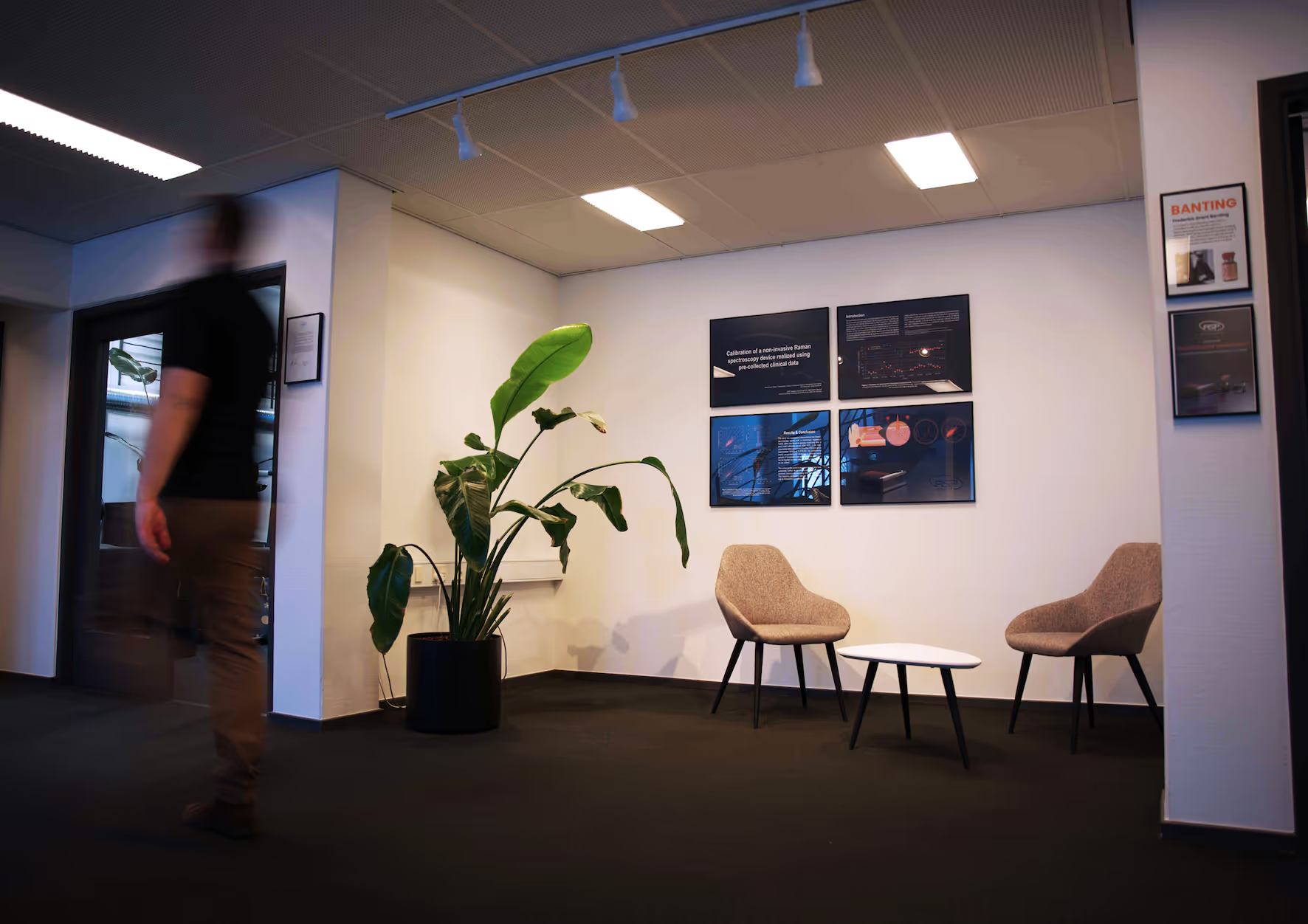
Share your contact details, and we’ll get in touch
Becoming a test person gives you early access to innovative health technology while gaining valuable insights into your own body. At the same time, you help improve and shape solutions that make health data more understandable and accessible for everyone.